Why Scheduled Locksmith Maintenance Keeps Your Master Key System Reliable
Master Key Systems Need Care, Not Just Keys
A master key system is a convenient way to control access across a building or property. With one key that opens multiple locks, and individual keys that open only their assigned doors, it simplifies daily operations for offices, apartment complexes, and commercial facilities. But like any mechanical system, it wears down over time. Locks get sticky, keys bend, and the careful hierarchy of access can start to slip. Without regular attention, small problems turn into lockouts, security gaps, or expensive emergency repairs.
Many building managers only think about their lock system when something goes wrong. A door that won’t latch, a key that no longer turns smoothly, or a master key that suddenly fails to open a lock that used to work. By then, the fix is reactive and often rushed. Scheduled locksmith maintenance flips that around. It catches wear early, keeps every component working as designed, and helps prevent access problems before they happen. The approach is straightforward: follow a regular inspection and service routine that covers the whole system, from the master key down to the last cabinet lock.
What to Watch For in a Master Key System
A master key system is more than a collection of locks. It is a coordinated set of components that must work together. The master key operates every lock in the system, while restricted keys open only specific cylinders. Sub-master keys may open groups of locks. If any part of this arrangement drifts out of alignment, the whole system loses reliability. Common signs of trouble include keys that require extra force to turn, locks that feel loose or wobbly, and cylinders that are hard to insert a key into. These symptoms often point to worn pins, misaligned cam mechanisms, or dirt buildup inside the lock body.
Another thing to watch is the condition of the keys themselves. A worn key can damage a lock cylinder over time, and a bent key may not engage the pins correctly. Restricted keys, which are cut to a specific profile, are especially sensitive to damage. A small burr on the edge of a restricted key can prevent it from working altogether. Regular maintenance includes checking keys for wear and keeping a key register so that lost or damaged keys can be replaced promptly without compromising security.
First Step: Review the Access Schedule and Key Register
Before touching any hardware, start with the paperwork. A master key system only works if the access schedule is up to date. The access schedule is the plan that defines which keys open which doors. Over time, personnel change, departments move, and security needs evolve. A review every six to twelve months ensures that the system still matches the real access requirements of the building. This is also the time to check the key register, which records every key issued, returned, or lost. Discrepancies in the register can point to a missing key that needs to be rekeyed or a lock that should be replaced.

What to watch: look for keys that are listed as active but no one claims, or doors that have changed function since the system was installed. If a door that used to be a private office is now a shared workspace, its lock may need to be rekeyed to a different level of access. Catching these mismatches on paper prevents confusion later.
Second Step: Inspect Every Lock Cylinder
With the plan confirmed, move to the physical inspection. Go through the building and check each lock cylinder in the system. This includes entry doors, interior doors, cabinet locks, and exit devices. For each lock, insert the correct key and test the action. The key should slide in smoothly and turn with a crisp, even feel. If it sticks, binds, or requires wiggling, the cylinder likely needs cleaning or lubrication. If the key turns but the latch does not move fully, the mechanism inside may be worn or misaligned.
What to watch: pay special attention to high-traffic doors. A commercial door that opens hundreds of times a day wears faster than a seldom-used cabinet lock. Look for visible signs of wear on the face of the cylinder, such as scratches or a loose retaining screw. Also check that the lock is properly aligned with the strike plate. If the door has shifted on its hinges, the latch may not seat correctly, which can cause the lock to bind or fail to secure the door.
Third Step: Clean and Lubricate Correctly
Cleaning and lubrication are simple but easy to get wrong. Many people reach for a can of general-purpose oil, but that can attract dust and gum up the pins over time. The right approach uses a dry lubricant, such as graphite powder or a PTFE-based spray, that does not leave a sticky residue. First, blow out any debris from the keyway using compressed air. Then insert the lubricant and work the key in and out a few times to distribute it evenly. Wipe away any excess so it does not collect dirt.
What to watch: never use WD-40 or similar penetrating oils on a lock cylinder. They are designed to loosen rusted parts, not to lubricate precision pin tumblers. Over time, they can wash out the factory lubricant and cause the pins to stick. Also, avoid over-lubricating. A little goes a long way. Too much lubricant can attract dust and create a paste that jams the pins.
Okey Locksmith is also on YouTube.
Fourth Step: Test Master Key and Restricted Key Performance
After cleaning and lubrication, test the full key hierarchy. Insert the master key into every lock it is supposed to open. It should turn smoothly in each one. Then test each restricted key in its assigned lock. If a restricted key works in a lock it should not, that signals a security problem. If it does not work in a lock it should, the cylinder may need rekeying. This step also checks that sub-master keys open the correct group of doors.
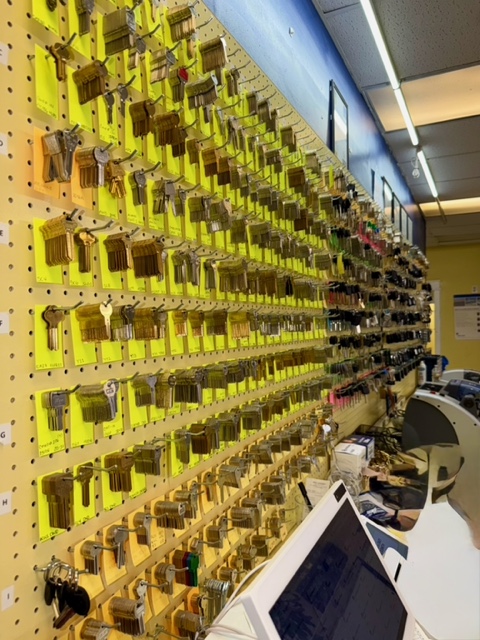
What to watch: if a master key works in some locks but not others, the problem could be a worn key, a damaged cylinder, or a lock that was rekeyed without updating the master. Keep a log of which locks pass and which fail, so the technician can address specific cylinders during the next maintenance visit. A professional locksmith can rekey a cylinder to restore the correct hierarchy, or replace it if the wear is too advanced.
Fifth Step: Check Exit Devices and Cabinet Locks
Master key systems often include exit devices, such as panic bars on commercial doors, and cabinet locks in storage areas or server rooms. These are easy to overlook because they are not used as often as main entry doors. But a failed exit device can create a safety hazard, and a jammed cabinet lock can delay access to critical equipment. Test each exit device by pressing the bar and watching the latch retract fully. Check that the door opens freely and that the device resets correctly when the door closes. For cabinet locks, insert the key and turn to ensure the bolt moves in and out without resistance.
What to watch: exit devices can develop a sticky latch or a broken spring over time. If the bar feels loose or the latch does not retract, schedule a repair before the device fails completely. Cabinet locks, especially those on metal cabinets, can accumulate rust or dust that interferes with the keyway. A quick cleaning and lubrication usually solves the problem, but if the cylinder is worn, replacement is safer.
Sixth Step: Rekey or Replace as Needed
After the inspection, you will have a clear picture of which components need attention. Some locks will need rekeying to restore the correct master key relationship. Others may be too worn to rekey and should be replaced. The decision depends on the age of the lock, the extent of wear, and the security level required. A lock that is still in good condition can be rekeyed quickly. A lock that has been rekeyed several times or shows signs of corrosion should be replaced to avoid future failures.
What to watch: do not postpone replacement on a lock that is borderline. A lock that fails intermittently is more disruptive than one that fails completely, because it creates unpredictable access problems. Replacing it during a scheduled maintenance visit is far less expensive than an emergency callout. A maintenance plan that includes an annual inspection and rekeying service keeps the whole system in balance.
Making Maintenance a Habit
The best time to schedule maintenance is before you notice a problem. For most commercial facilities, an annual inspection and service is enough to keep a master key system running smoothly. High-traffic buildings may benefit from a semi-annual check. The process described here can be handled by a qualified locksmith who understands master key systems. They will bring the right tools, lubricants, and replacement parts, and they can rekey cylinders on site. Okey Locksmith provides 24/7 mobile automotive, residential, commercial, access control, and emergency locksmith services in Oklahoma City and nearby communities, so scheduling a preventive visit is straightforward.

Regular maintenance does not eliminate the need for emergency service entirely, but it reduces the frequency and severity of problems. A lock that is cleaned and inspected every year is far less likely to jam at the worst possible moment. A key register that is kept current helps you respond quickly if a key is lost. And a tested master key system gives everyone on site confidence that their keys will work when needed.
If you manage a building with a master key system, consider setting a calendar reminder for a maintenance check. Walk through the steps above with a locksmith or a trained facility technician. The time invested pays off in fewer lockouts, longer lock life, and a more secure property. For residents and businesses near Oklahoma City, Okey Locksmith offers professional service at 3121 SW 29th St, Oklahoma City, OK 73119, USA, reachable at +1 405-703-8943 for any questions about your system.